

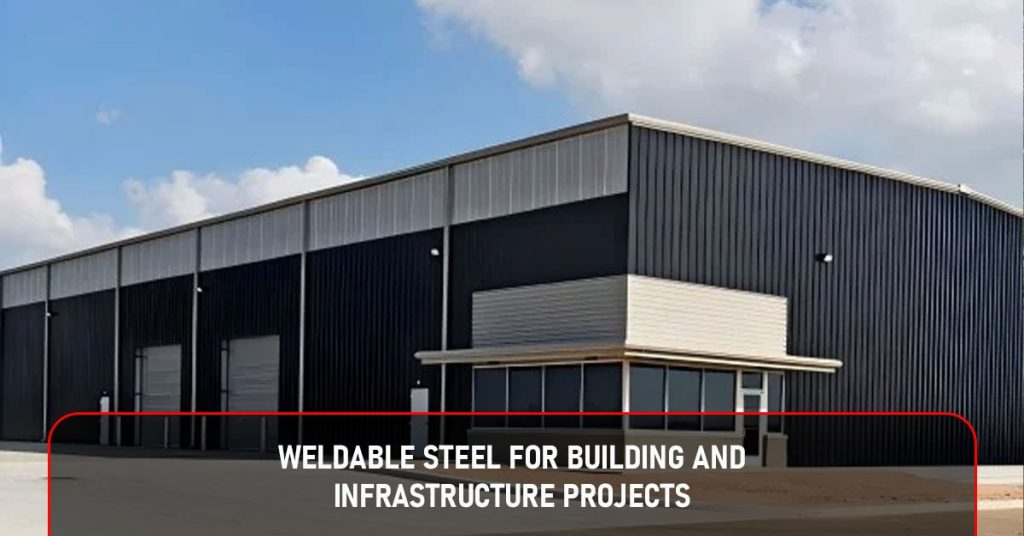
Weldable steel for building and infrastructure projects is one of the most important materials in modern construction. Using weldable steel for building and infrastructure projects ensures that structures remain strong, safe, and long-lasting. Builders and engineers rely on this steel to prevent weak joints and provide consistent support across bridges, buildings, and industrial structures.
Also, weldable steel for building and infrastructure projects helps reduce construction time. Projects using this steel can be assembled faster because it can be joined with simple welding methods. Structural steel welding techniques have improved, making weldable steel for building and infrastructure projects safer and more precise. Engineers can focus on design accuracy rather than fixing weak connections when they use this steel.
In addition, weldable steel for building and infrastructure projects is versatile. It suits commercial buildings, bridges, industrial plants, and residential projects. Developers who choose this steel ensure every part of their project meets safety standards. Infrastructure steel solutions made from weldable steel for building and infrastructure projects provide long-term reliability and reduce maintenance costs.
Weldable steel for building and infrastructure projects is specially made to allow safe and strong welding. Unlike standard steel, it maintains strength under heat. Engineers prefer weldable steel for building and infrastructure projects because it handles stress from construction and daily use.
Also, this steel comes in multiple grades. Each grade fits specific projects, from small buildings to large infrastructure. Using weldable steel for building and infrastructure projects ensures the material supports weight without bending or breaking. High-strength steel of this type is critical for bridges and industrial structures where safety matters most.
Furthermore, steel fabrication for buildings is easier with weldable steel for building and infrastructure projects. Prefabricated steel parts can be joined quickly on-site. Using this steel improves efficiency and safety, making it a preferred choice for modern construction projects.
Weldable steel for building and infrastructure projects offers many advantages in building projects. Builders can join steel parts without complex machinery. This reduces labor costs and speeds assembly.
Also, structural steel welding techniques improve quality when using weldable steel for building and infrastructure projects. Controlled welding prevents cracks and maintains uniform strength. Using this steel supports taller buildings and heavier loads safely.
Finally, modern buildings benefit from infrastructure steel solutions made of weldable steel for building and infrastructure projects. Using it ensures long-term performance and reduces maintenance costs, making it an ideal choice for residential and commercial construction.

Infrastructure projects need materials that last decades. Bridges, highways, and industrial plants all rely on weldable steel for building and infrastructure projects to handle stress, weather, and heavy use.
Also, infrastructure steel solutions provide predictable performance. Welded steel bars join precisely, reducing weak points. Engineers use structural steel welding techniques to create safer, stable structures with weldable steel for building and infrastructure projects. Construction-grade steel simplifies repairs. Projects built with weldable steel for building and infrastructure projects last longer and require fewer interventions.
By choosing weldable steel for building and infrastructure projects, developers ensure safety, strength, and efficiency.
Steel fabrication for buildings is easier when using weldable steel for building and infrastructure projects. Fabricators can cut, bend, and join steel parts with minimal effort. Using this steel reduces errors and keeps projects on schedule.
Also, weldable steel for building and infrastructure projects ensures uniform results. Every beam, rod, or plate maintains strength after welding. Fabricators can work faster without worrying about weak spots.
Furthermore, weldable steel for building and infrastructure projects supports design flexibility. Architects can plan unique buildings knowing it maintains safety.

Finding reliable sources to buy steel in Islamabad can be tough. Prices change fast, and not all suppliers provide certified products. Many homeowners and contractors struggle to locate a trusted source. Using substandard steel can affect safety, durability, and long-term costs.
The problem is real. Some dealers sell low-grade or undersized steel. Others delay delivery or charge hidden fees. For anyone planning to buy steel in Islamabad, choosing the right supplier is critical. You need steel that meets standards, comes on time, and supports your project from start to finish.
In this guide, we answer your key question: how and where to buy steel in Islamabad safely. You will learn about top mills, trusted suppliers, price trends, and quality checks. By the end, you can confidently select a supplier who delivers value, safety, and peace of mind for your construction project.
Also, many modern projects combine these uses. Bridges near cities often use weldable steel for building and infrastructure projects similar to commercial buildings.
At Pak Iron, we supply high-quality weldable steel for building and infrastructure projects. Our products meet strict safety and performance standards.
Also, we assist clients with infrastructure steel solutions for bridges, highways, and industrial facilities. Our team tests every batch for uniform strength, rib patterns, and weight consistency.
Using weldable steel for building and infrastructure projects from Pak Iron reduces delays, prevents errors, and keeps projects on schedule.
Weldable steel for building and infrastructure projects is essential in modern construction. It provides strong joints, flexible designs, and long-lasting performance. Builders and engineers rely on it to create safe structures efficiently.
Also, using weldable steel for building and infrastructure projects reduces project delays. High-strength steel supports heavy loads and complex designs. Infrastructure steel solutions provide predictable results and reduce maintenance costs.
In addition, construction-grade weldable steel for building and infrastructure projects simplifies steel fabrication. Prefabricated parts can be assembled quickly, and structural steel welding techniques ensure safety. By choosing weldable steel for building and infrastructure projects, developers create durable, reliable, and cost-effective structures. Contact us today to improve your construction projects.