

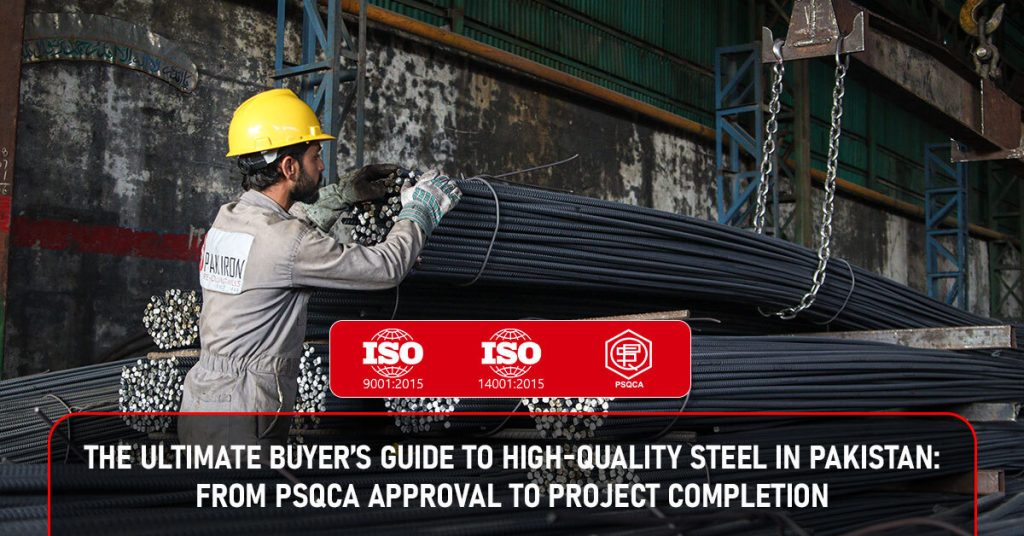
Steel plays a vital role in modern construction across Pakistan. It forms the structural framework of homes, commercial buildings, and infrastructure projects. Builders rely on steel for load-bearing strength, stability, and long-term performance. When steel quality meets required standards, structures perform safely under stress and environmental conditions. When quality is compromised, the consequences can be severe.
Many steel buyers struggle with uncertainty when entering the market. Numerous suppliers offer different grades, prices, and claims. Quality is not always visible during purchase. Some products enter the market without proper certification or testing. This creates confusion for buyers who lack technical knowledge. Understanding why PSQCA approval matters for steel buyers helps reduce this uncertainty and supports safer purchasing decisions.
This guide explains how buyers can evaluate steel quality with confidence. It covers PSQCA standards, quality checks, supplier evaluation, and project-level considerations. By understanding why PSQCA approval matters for steel buyers, readers can protect their investment and ensure project success from procurement to completion.

The Pakistan Standards and Quality Control Authority establishes national quality standards for products used across industries. Its role is to ensure safety, performance, and consistency. Construction steel falls directly under its regulatory scope due to its critical structural role. PSQCA evaluates steel to confirm that it meets defined mechanical and chemical requirements.
Steel quality standards exist to prevent structural failure. These standards define limits for tensile strength, yield strength, ductility, and composition. Approved steel batches undergo controlled testing to verify these properties. This process reduces the risk of weak reinforcement and improves overall structural reliability. Understanding why PSQCA approval matters for steel buyers begins with recognizing the role of these standards.
PSQCA also protects market integrity. It sets clear benchmarks for manufacturers and suppliers. It helps builders and engineers rely on consistent materials. Certified steel follows documented processes, while uncertified steel often lacks traceability and verification. This difference directly affects construction safety and performance.
PSQCA approval confirms that steel complies with national standards. It verifies that strength, consistency, and composition meet defined limits. This approval reduces uncertainty and explains why PSQCA approval matters for steel buyers who seek reliable construction materials.

Safety is the primary concern in any construction project. Steel carries loads throughout the life of a structure. When steel quality is poor, it may deform, crack, or fail under stress. PSQCA approval confirms that steel meets minimum strength and ductility requirements. This directly explains why PSQCA approval matters for steel buyers focused on safety.
Consistency is equally important. Every bar used in a project must perform uniformly. Variations in strength or weight can cause uneven load distribution. PSQCA enforces standardized production limits. This ensures uniform performance across batches. Builders benefit from predictable behavior during construction.
Regulatory compliance also affects project approval. Authorities require materials that meet approved standards. PSQCA-approved steel aligns with building regulations and inspection requirements. Projects using certified steel face fewer legal and approval issues. This regulatory assurance further highlights why PSQCA approval matters for steel buyers.
Key benefits of PSQCA-approved steel include:
Non-approved steel often fails earlier than expected. It may contain inconsistent chemical composition or inadequate strength. Over time, cracks can develop in reinforced concrete. Load-bearing capacity gradually weakens. These failures increase repair and reinforcement costs.
Low-priced steel may appear attractive initially. However, uncertified products often hide defects. Inconsistent weight, improper rib patterns, and low tensile strength can exceed safe load limits. These problems usually appear after construction advances. At that stage, correction becomes expensive and disruptive.
There are also legal and financial risks. Projects using uncertified steel may fail inspections. Authorities can delay approvals or issue penalties. Insurance claims may be denied due to non-compliance. These risks explain why PSQCA approval matters for steel buyers beyond initial cost considerations.
Ignoring certification standards increases structural risk. Safety margins reduce. Long-term costs rise. This clearly demonstrates why PSQCA approval matters for steel buyers at every project stage.
Buyers should begin with physical verification. PSQCA-approved steel usually carries identifiable markings or stamps. These marks indicate compliance with defined standards. Missing or unclear markings should raise concern. Visual checks provide the first layer of verification.
Documentation is the next step. Buyers should request mill test certificates from suppliers. These reports show mechanical properties and chemical composition. They confirm steel grade and compliance. This documentation reinforces why PSQCA approval matters for steel buyers seeking transparency.
Supplier credibility also plays a role. Reputable manufacturers follow controlled production processes. They maintain testing records and quality checks. Experienced suppliers offer consistent products and reliable support. Choosing the right supplier supports long-term project quality.
Checklist for steel buyers:
Construction projects require consistent material quality throughout execution. Steel is often delivered in phases. Each delivery must meet the same specifications. Variations can compromise structural continuity. PSQCA-approved steel helps maintain uniform quality across all deliveries.
Delays and rework increase project costs. Poor-quality steel often fails site inspections. Replacement and reinforcement cause schedule overruns. Certified steel reduces these risks and supports smooth execution. This operational benefit further explains why PSQCA approval matters for steel buyers.
High-quality steel also improves long-term performance. It resists deformation, fatigue, and corrosion more effectively. Maintenance requirements remain lower. Completed structures retain strength and reliability over time. Quality selection at purchase directly impacts project life cycle.
PSQCA approval ensures controlled quality during construction. Materials remain predictable. Engineers and builders maintain confidence. This consistency reinforces why PSQCA approval matters for steel buyers beyond procurement.
Pak Iron operates with a strong focus on quality and compliance. Manufacturing processes follow defined standards. Quality control checks remain active throughout production. Regular testing verifies strength and consistency. This approach aligns with industry expectations for certified steel supply.
The company understands the challenges faced by builders and contractors. Projects demand reliable materials that meet specifications without variation. Pak Iron supports construction needs through controlled manufacturing and dependable supply. This support reflects why PSQCA approval matters for steel buyers selecting a long-term supplier.
Pak Iron maintains active compliance with PSQCA requirements. Certification remains a priority across operations. This commitment helps protect buyers from quality risks and supports responsible construction practices nationwide.
Certified processes reduce uncertainty. Controlled production ensures consistency. Buyers gain confidence. This demonstrates why PSQCA approval matters for steel buyers evaluating suppliers.
Pak Iron’s Quality Commitments
How Pak Iron Supports Buyers
Steel quality directly affects construction outcomes. Strong steel supports safe and durable structures. Weak steel compromises performance and value. Every successful project begins with informed material selection.
Standards exist to protect builders, occupants, and investments. This clearly shows why PSQCA approval matters for steel buyers in Pakistan’s construction environment. Certified steel reduces risk and improves long-term reliability.
Choosing PSQCA-approved steel is a responsible decision. Choosing a reliable supplier strengthens that decision further.
Contact Pak Iron today to discuss your requirements and secure certified steel for your next project.
PSQCA approval confirms compliance. It ensures steel meets safety standards. It protects construction projects.
It confirms strength levels. It reduces structural risks. It ensures legal compliance.
Yes, it prevents failures. It avoids rework. It lowers maintenance costs.
Check bar markings. Ask for mill certificates. Buy from trusted suppliers.